
"Chiapas coffee"
470 article(s) found

Mexican Coffee Flavor Organically Grown Coffee Bean Boutique Coffee Coffee Bean
The term boutique coffee was first coined by Ms. Knudsen in Coffee and Tea magazine in the United States, when Ms. Knudsen served as B.C. Ireland's coffee buyer in San Francisco, she is very dissatisfied with the industry's neglect of green coffee bean quality, and even some large roasters mix a lot of robersta beans into the mixed beans, so she proposed the concept of fine coffee advocacy line

Mexico (Mexico) boutique coffee Vevetnango in Guatemala is mild and meticulous.
Boutique coffee (specialty coffee) is also called specialty coffee selection coffee. It refers to coffee made from a small number of raw beans with excellent taste grown in an ideal geographical environment. Depending on the special soil and climatic conditions in which they grow, they have outstanding flavor. After strict selection and classification, this kind of coffee is hard in texture, rich in taste and stylish.

Mexican garat Coffee is full of exotic places Mexican coffee beans taste
For professional baristas, follow the Coffee Workshop (official Wechat account cafe_style) Mexico is an exotic place with deserts, blue waters, mountains, huge cities and small villages. In recent years, the demand for high-quality coffee has greatly increased the interest of Mexican coffee buyers, which has helped to improve Mexico's transition from mixed coffee to single and organic features.

Introduction to Mexican Coffee what are the main producing areas of Mexican coffee? How's the Mexican coffee?
The history of coffee in Mexico, like most of Central America, was first grown in Mexico in the early colonial era (most likely in the late 18th century). As people paid more attention to the region's rich mineral resources and mining, coffee really developed into an industry, and when small farmers opened it after the Mexican Revolution in 1920.
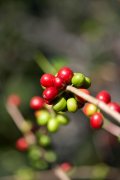
Mexican Coffee Mexico Coffee is a big producer of machine coffee in the Vivetenango region of Guatemala.
The global trend of modern coffee has gone through three popular stages: the first stage is the popularity of cheap coffee represented by instant coffee from the post-World War II to the 1960s; the second stage is the popularity of commercial coffee represented by Starbucks from the 1960s to the beginning of this century; the third stage is the popularity of boutique coffee, which originated in the 1970s and has become a trend in the past decade.
Mexico COE Coffee three Seasons Orange Manor Story _ what are the Mexican Coffee brands
Professional coffee knowledge exchange more coffee bean information please follow Coffee Workshop (Wechat official account cafe_style) winning bean Mexican Coffee 2017 Excellence Cup fourth place in three-season orange manor delicate floral, sweet variety of fruits, including berries, pineapples, limes, sweet citrus, lemon wasp grass, honey, delicate aftertaste and changeable flavor of this Mexican coffee-Zhuo

Characteristics of coffee beans in Latin America
Suitable for baking: Full cityfull city, start the pot at the beginning of the second explosion, whether it is mixed with the formula to make Espresso or brew a single product, Mexican coffee beans can be said to have a unique flavor. Mexican coffee, from Cottpe and Veracruz in the north, to Plumas in the central Oaxaca region, to Chiapas in the southernmost, is a coffee-producing area, and the wind in each district

Mexican coffee has a light flavor, mild and delicate flavor, and a classic flavor.
In fact, according to Ms. Knudsen, people started drinking fine coffee, but later, due to the growing demand for coffee, the discovery and use of new coffee varieties led to the decline of coffee quality. later, people even began to dislike this bad coffee and began to turn to other drinks. In this case, Ms. Knudsen's re-recognition

Plumas, Oaxaca District, Central Mexican Coffee Bean with unique Flavor
Mexico (Mexico) aroma 3 points of brightness 4 points of mellow 3 points of flavor 4 points of aftertaste 4 points suitable for baking: Full cityfull city, baking to the beginning of the pot, whether mixed with the formula to make Espresso or brewing single product, Mexican coffee beans can be said to have a unique flavor. Mexican coffee from Cottpe and Veracruz in the north to Plema in the central Oaxaca region.

Description of Flavor of Latin American Coffee Bean by Grinding scale treatment
Description of the flavor of Latin American coffee beans by grinding scale method Mexican coffee varieties are coffee producing areas from Cottpe and Veracruz in the north to Plamas in the central Oaxaca region to Chiapas in the southernmost areas. and the flavor of each region is also different. Although there are many producing areas in Mexico, but because the quality stability is not high, so we have to try in many ways.

Description of taste and flavor of Latin American coffee beans introduction of varieties produced by grinding scale
Description of the taste and flavor of Latin American coffee beans before the introduction of Peruvian coffee varieties were not common in the world, and it was generally considered that the processing process was hasty, so the evaluation was poor, as a result of previous state monopoly. In fact, Peruvian coffee has good growth conditions, and many of them are grown organically, so the quality of coffee beans has always been quite good. Peruvian coffee
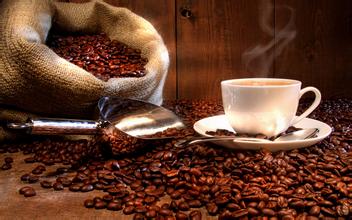
Introduction to the difference between Mexican coffee and Colombian coffee
Mexico (Mexico) aroma 3 points of brightness 4 points of mellow 3 points of flavor 4 points of aftertaste 4 points suitable for baking: Full cityfull city, baking to the beginning of the pot, whether mixed with the formula to make Espresso or brewing single product, Mexican coffee beans can be said to have a unique flavor. Mexican coffee from Cottpe and Veracruz in the north to Plamas in the central Oaxaca region.

Introduction to Grinding Calibration of characteristic species and varieties of Coffee beans in Latin America
The characteristics of Latin American coffee beans, varieties, flavor description, grinding scale introduction Mexican coffee from Cottpe and Veracruz in the north, Plumas in the central Oaxaca region, to Chiapas in the southernmost, are all coffee-producing areas, and the flavor of each region is also different. Although there are many producing areas in Mexico, because the quality stability is not high, it has to be tried in many ways.
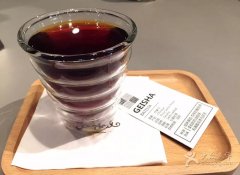
Mexican coffee from the delicate and gentle coffee of Cottpee and Veracruz in the north.
Fine coffee is made from boutique coffee beans. If the beans that make coffee are not boutique coffee beans, the coffee liquid produced cannot be called fine coffee. Boutique coffee is fresh coffee. Whether it's food or drink, of course, the fresh the better, and so is boutique coffee. High-quality coffee should keep the beans fresh before making, including the preservation of roasted beans, and the coffee should be made before making.

The cultivation of coffee beans in Latin America Starbucks Latin American coffee beans
The cultivation of Latin American coffee beans Starbucks Latin American coffee beans Peruvian coffee is not common internationally, and it is generally believed that its processing process is hasty, so the evaluation is not good, which is the result of previous state monopoly. In fact, Peruvian coffee has good growth conditions, and many of them are grown organically, so the quality of coffee beans has always been quite good. The famous producing area of Peruvian coffee is

Characteristics of coffee beans in three producing areas-characteristics of coffee beans in Central and South America
Characteristics of coffee beans in three producing areas-characteristics of Central and South American coffee beans Mexican coffee is a coffee-producing area from Cottpe and Veracruz in the north to Plamas in the central Oaxaca region to Chiapas in the southernmost area. and the flavor of each region is also different. Although there are many producing areas in Mexico, because the quality stability is not high, so we have to try in many ways in order to get high quality.

An introduction to the quality manor production areas of Latin American coffee beans by describing the characteristics and flavor
Latin American coffee beans introduce Mexican coffee from Cottpe and Veracruz in the north to Plumas in the central Oaxaca region to Chiapas in the southernmost part of the country, where coffee is produced, and the flavor varies from region to region. Although there are many producing areas in Mexico, but because the quality stability is not high, so we have to try in many ways in order to select the ones with high quality. Basically, Oaxaca and Cha

What is the flavor and quality of Veracruz coffee in Mexico coffee producing area?
Professional coffee knowledge exchange more coffee bean information please follow the coffee workshop (Wechat official account cafe_style) the story of Mexico's relationship with coffee, which began after 1790. Unlike the large-scale cultivation and production in other producing countries, Mexico has always retained the tradition of small farmers. After the Mexican Revolution in 1910, the agricultural reform protected the small farmers.

Description of taste and flavor of Latin American coffee beans introduction of varieties produced by grinding scale
The characteristics of Latin American coffee beans taste and flavor description grinding scale production area variety introduction Peruvian coffee before the introduction is not common in the world, it is generally considered that its treatment process is hasty, so the evaluation is not good, this is the result of previous state monopoly. In fact, Peruvian coffee has good growth conditions, and many of them are grown organically, so the quality of coffee beans has always been quite good. Peruvian coffee

Study on Agricultural Ecology of Coffee in Mexico and Dignity of Organic Coffee Farmers in Mexico
Professional baristas Please follow the Coffee Workshop (Wechat official account cafe_style) in 1867, coffee rust (coffee rust) broke out in Ceylon, destroying the coffee kingdom established by the British Empire and causing the British to drink tea instead. In 1877, coffee rust also broke out in Indonesia, which changed the local habit of growing Arabica coffee and changed it to Rob.